A quantitative spike protein assay developed in a CLIA-certified, high-complexity laboratory — built for research labs, biologics R&D, and investigational teams.
Our Quantitative Spike Protein Assay (Q-Spike) was developed in a CLIA-certified, high-complexity laboratory. It is being implemented for research laboratories, biologics manufacturing R&D, and investigational teams studying spike protein presence in biological materials.
The assay is designed exclusively to support fundamental laboratory research into the persistence and expression dynamics of spike protein in controlled experimental systems.
 Q-Spike · RUO
Q-Spike is intended for exploratory, non-clinical investigation of spike protein in research model systems and archived research samples.

Basic research into mechanisms of protein persistence, clearance, and expression dynamics in controlled experimental matrices.

Investigations of protein detection across research model systems and archived research samples using a standardized workflow.
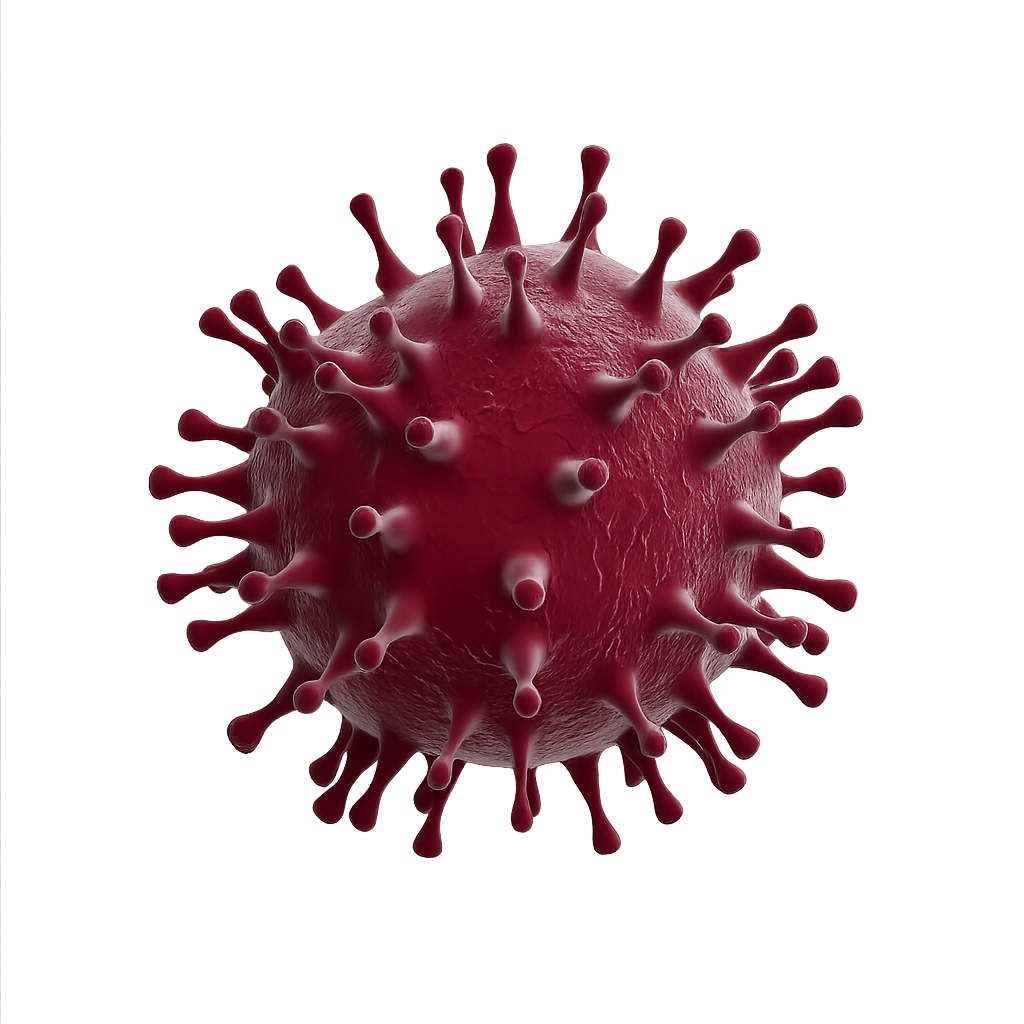
Joint basic-science projects examining molecular and cellular questions in immunology and mRNA biology.
Biologics researchers are increasingly interested in the fundamental behavior and persistence of spike protein in complex experimental systems. Q-Spike (RUO) is designed to generate quantitative data that supports deeper mechanistic insight.
We invite academic researchers, university laboratories, and independent basic-science investigators to explore Q-Spike for fundamental mechanistic research. If your lab is studying spike protein persistence or expression dynamics, our team can provide technical information on implementing the assay.
For Research Use Only. Not for use in diagnostic procedures. This assay and all associated data are provided strictly for research purposes in academic or laboratory settings.
It may not be used in manufacturing processes, quality control programs, process development, product characterization for production, donor screening, lot release decisions, or any regulated biologics or clinical activities. All use must remain limited to exploratory research in academic or research laboratory environments.
.png?width=100&height=119)